Trasvase 2# Brooklyn – Barcelona
Nomad Indigenous Resilience Thinking Social-ecological Practice
S trata de conectar lugares como práctica interpretativa para indagar desde un presente continuo, los posibles enlaces y visiones que se producen. Construiremos un relato común entre dos espacios distantes, caminando de forma simultánea entre Brooklyn y Barcelona, entre los vestigios de las huellas indígenas de Lenapehoking y los vínculos con el agua y la memoria de las luchas sociales de Barcelona.
Intercambio NYC & Barcelona: Nomad Indigenous Resilience Thinking Práctica socio-ecológica
Domingo, 30 de abril, de 17:00 a 18h30
(uso horario NYC de 11h a 12.30h)
Formato híbrido simultáneo:
-on-line https://us02web.zoom.us/my/rafaeldebalanzo
-Barcelona, Parc de la Ciutadella, Quiosc de la Cascada monumental (formato presencial)
-Nueva York, Weeskville Heritage Center, 158 Buffalo Avenue. Brooklyn, NY (formato presencial)
Nomad Indigenous Resilience Thinking Práctica socioecológica
Paseo por Brooklyn, Nueva York:
Huellas vestigiales de Lenapehoking
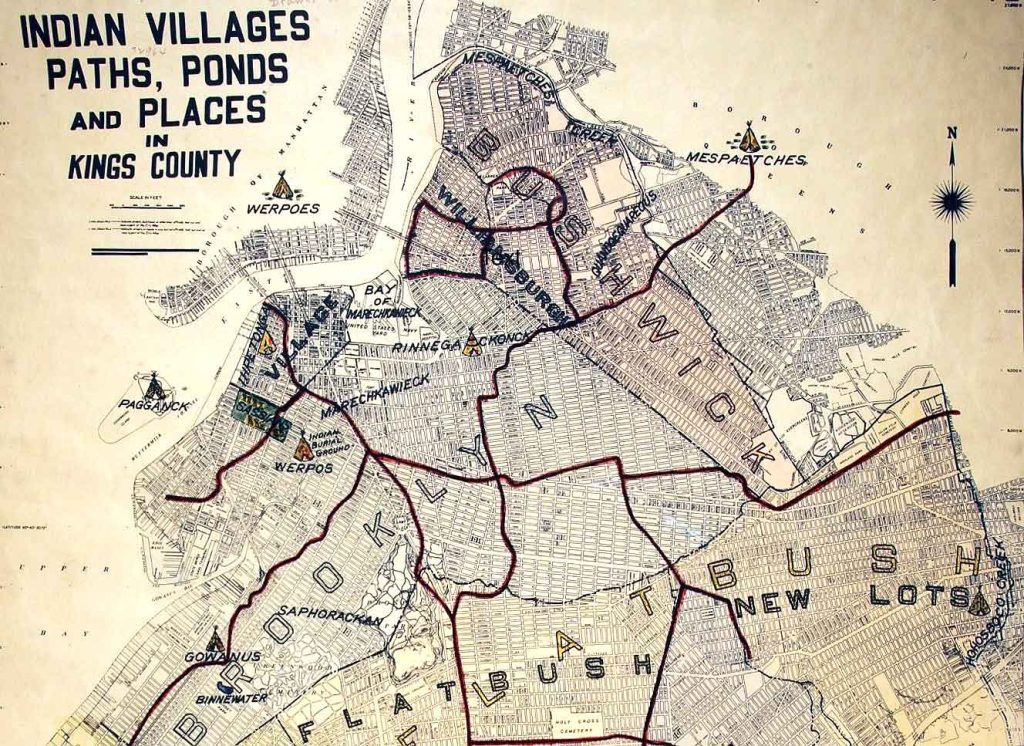
Brooklyn, Nueva York, Estados Unidos, está situado en Lenapehoking, el territorio no cedido de los lenape, que fueron expulsados a la fuerza por los efectos de la colonización holandesa e inglesa. En esta práctica de senderismo estético interpretativo y autorreferencial, las huellas vestigiales de Lenapehoking se activarán aproximándose al camino original de Hunterfly Road, una carretera colonial de nombre holandés que se construyó junto a un cauce que seguían los lenape para viajar a la bahía de Shepshead; los colonos se apropiaron de ella, a partir del siglo XVII, para el comercio entre granjas que tenían esclavos africanos cautivos. El camino original sale a la superficie dentro del Weeksville Heritage Center, un centro de interpretación y paisaje construido sobre la huella de una comunidad afroamericana autosuficiente de 1837. Los participantes se reunirán frente a la entrada del Weeksville Heritage Center y caminarán en dos direcciones siguiendo el sendero de un arroyo original del centro de Brooklyn para localizar las huellas vestigiales de Lenapehoking. El camino y el lecho del arroyo están hoy cubiertos por enormes acumulaciones de hormigón y macadán y por el paisaje de un complejo de la Autoridad de la Vivienda de Nueva York. Durante la caminata de una hora de duración, los participantes reflexionarán de forma individual y colectiva sobre los efectos del paisaje, la memoria, el agua como la vida, la indigeneidad, la colonización y las consecuencias de la violencia estatal y extraestatal en el más allá de la esclavitud y la indigeneidad.
Senderos del Pla de Barcelona
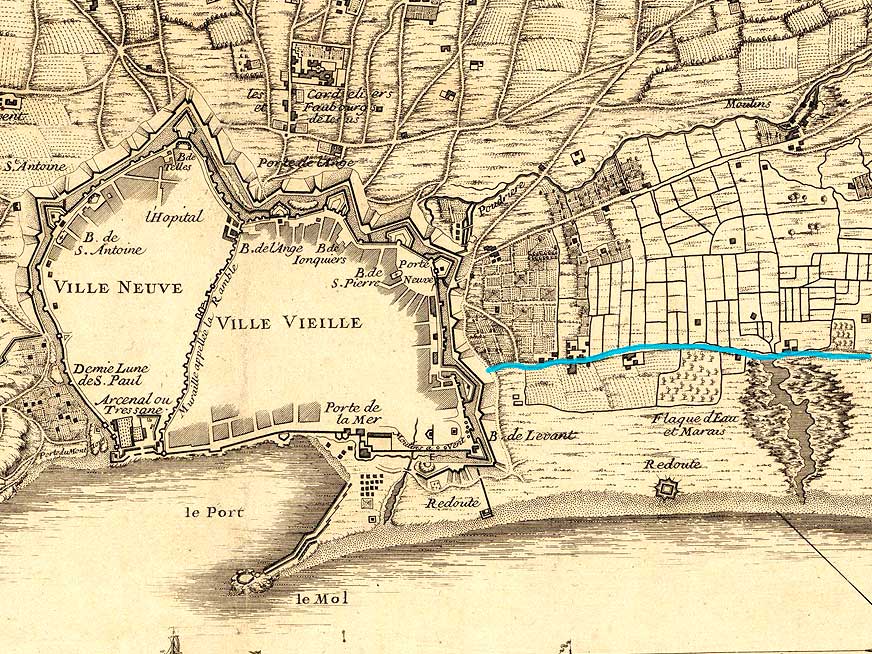
El llano de Barcelona es un territorio de humedales y marismas subsidiarias de los torrentes naturales y brazos del río Besos, que desde la antigüedad se ha ido desecando en función de la transformación urbana. Levantando capas de su construcción histórica, caminaremos el sendero originario que transitaba resiguiendo la línea de costa. Las trazas de este camino se han mantenido a lo largo del tiempo, fijando a su alrededor elementos claves de la historia de la ciudad. Un sendero practicado por los habitantes de los primeros asentamientos humanos permanentes en las lagunas litorales, usado más tarde por la ciudad romana para conectar con otros núcleos urbanos situados al norte de la costa y consolidado con las rutas medievales que articulaban el territorio regional.
El recorrido se abre a una mirada que conecta el agua con la ciudad de Barcelona, la que nos habla de los torrentes naturales, las zonas de humedales, el consumo urbano del agua y su sentido simbólico. A esta perspectiva superponemos el relato de las formas de control político y social que han definido el devenir histórico de sus gentes, los asedios y la represión política durante 150 años de la monarquía borbónica con la construcción de la ciudadela militar. Su derribo y posterior proyección sobre estos mismos terrenos de la Exposición Universal de 1888, fue una apuesta del progreso industrial de la nueva Barcelona del siglo XIX. Con la construcción de la nueva ciudad burguesa y ligado a ella, encontramos el el comercio de esclavos llevados de Africa a las costas del Caribe norteamericano.
La propuesta quiere ser una reflexión urbana conjunta con Nueva York sobre los vínculos con el agua, la memoria de las luchas sociales y esperanzas de las condiciones de vida de sus habitantes. Una vivencia de la ciudad que atraviesa el tiempo y ponemos en diálogo con la actual presión ejercida por la economía turística que ha convertido la ciudad en un escenario de la industria del ocio extractivo.
https://linktr.ee/UrbanResilienceThinkingDesign
Organiza:
Social Practice CUNY, EEUU
Barcelona:
Sitesize, Elvira Pujol & Joan Vila Puig
Brooklyn, NY:
Jeffrey Hogreffe, Profesor del Pratt Institute
Rafael de Balanzo Joue, Pratt Faculty, Urban Resilience Thinking Design Studio.
Colaboradores:
Graduate Center, Social Pratice CUNY
Pratt Institute, Escuela de Arquitectura y Departamento de Matemáticas y Ciencias, SLAS
Nomad Indigenous Resilience Thinking. Social-ecological Practice
NYC & Barcelona walk/dialogue: Nomad Indigenous Resilience Thinking Social-ecological Practice
Sunday, 30th April, de 17:00 a 18h30 (NYC time zone from 11 am to 12.30pm)
Format hybrid simultanous:
-on-line https://us02web.zoom.us/my/rafaeldebalanzo
-Barcelona in person at Parc de la Ciutadella, Quiosc de la Cascada monumental
-New York, in person at Weeskville Heritage Center, 158 Buffalo Avenue. Brooklyn, NY
It is a conversation in a hybrid format of an interpretive and self-referential aesthetic walking practice (online/personal in BCN &NYC) between Brooklyn, Vestiges of Lenapehoking’s indigenous footprints (SocialPractice CUNY & Pratt Institute) and Barcelona (SITESIZE) links to water, the memory of social struggles and hopes for the living conditions of its inhabitants.
Nomad Indigenous Resilience Thinking Social-ecological Practice
Brooklyn, New York Walk:
Vestigial Traces of Lenapehoking
Brooklyn, N.Y., U.S. is located in Lenapehoking, the unceded territory of the Lenape, who were forcibly removed by the effects of Dutch and English colonization. In this interpretive and self- referential aesthetic walking practice, the vestigial traces of Lenapehoking will be activated by approximating the original path of Hunterfly Road, a Dutch named colonial highway that was built alongside a streambed that was followed by the Lenape to travel to Shepshead Bay; it was appropriated by the colonists, beginning in the seventeenth century, for trade between farms that held captive African slaves. The original path surfaces inside the Weeksville Heritage Center, an interpretive center and landscape built on the footprint of an 1837 self-supporting African American community. Participants will meet outside the entrance of Weeksville Heritage Center and walk in two directions following the path of an original streambed of central Brooklyn to locate the vestigial traces of Lenapehoking. The path and the streambeds are today covered in massive accumulations of concrete and macadam and the landscape of a New York City Housing Authority complex. During the one hour walk participants will consider in their individualized and collective approaches the effects of landscape, memory, water as life, indigeneity, colonization, and the consequences of state and extra state violence in the afterlife of slavery and indigeneity.
Trails of Pla de Barcelona
The Barcelona plain is a territory of wetlands and marshes that are subsidiary to natural torrents and arms of the Besos river that since ancient times has dried up due to the urban transformation. Lifting layers of its historical construction, we will walk the original path that he was traveling following the coastline. The traces of this path have been maintained throughout the time, fixing around it key elements of the history of the city. A path practiced by the inhabitants of the first permanent human settlements in the coastal lagoons, used later through the Roman city to connect with other urban centers located north of the coast and consolidated with the medieval routes that articulated the regional territory.
The tour opens up to a look that connects water with the city of Barcelona, which tells us about natural torrents, wetland areas, urban water consumption and its symbolic meaning.
From this perspective we superimpose the story of the forms of political and social control that have defined the historical evolution of its people, the sieges and the political repression during 150 years of the monarchy Bourbon with the construction of the military citadel. Its demolition and subsequent projection on these same lands of the Universal Exposition of 1888, was a bet of the industrial progress of the new Barcelona of the 19th century. With the construction of the new bourgeois city and linked to it, we find the trade of slaves taken from Africa to the coasts of the North American Caribbean.
The proposal wants to be a joint urban reflection with New York on the links with water, the memory of social struggles and hopes for the living conditions of its inhabitants. A experience of the city that crosses time and we establish a dialogue with the current pressure exerted by the tourist economy that has turned the city into a stage for the extractive leisure industries.
https://linktr.ee/UrbanResilienceThinkingDesign
Format hybrid simultaneous:
-on-line https://us02web.zoom.us/my/rafaeldebalanzo
-Barcelona in person at Parc de la Ciutadella, Quiosc de la Cascada monumental
-New York, in person at Weeskville Heritage Center, 158 Buffalo Avenue. Brooklyn, NY
Organizers
Social Practice CUNY, US
Barcelona:
Sitesize, Elvira Pujol & Joan Vila Puig
Brooklyn, NY
Jeffrey Hogreffe, Pratt Institute Professor
Rafael de Balanzo Joue, Pratt Faculty, Urban Resilience Thinking Design Studio.
Collaborators
Graduate Center, Social Pratice CUNY
Pratt Institute, School of Architecture & Math and Science Department, SLAS